04. What are the Forex Market Hours?
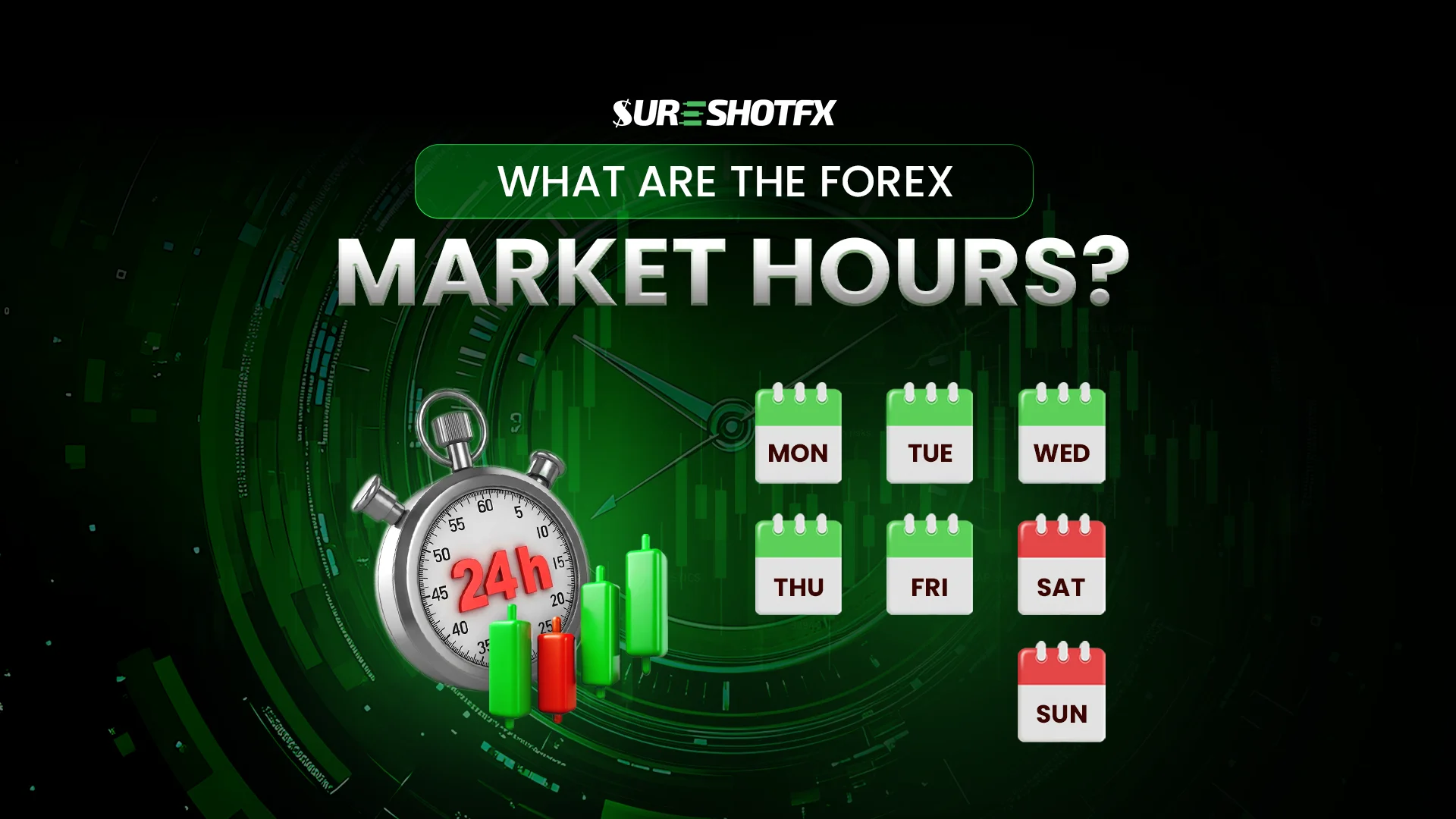
Forex market hours refers to the time periods when currency trading is open and active across the globe. Unlike stock markets that operate on fixed local schedules, the forex market runs 24 hours a day, five days a week.
This is why you’ll often hear forex trading hours explained as a “24/5 market.” Understanding Forex Market Hours is one of the first and most important lessons for anyone learning currency trading.
Forex trading follows the sun, moving from one major financial center to another as business hours begin and end across time zones. When traders in Asia log off, Europe is waking up. When Europe winds down, North America takes over.
In simple terms, when one major market closes, another opens. Traders in Asia, Europe, and North America all participate during their local business hours, creating a seamless flow of activity.
Below is the FX hours GMT to show when the market is active:
| Session | GMT Time |
| Sydney | 22:00 – 07:00 |
| Tokyo | 00:00 – 09:00 |
| London | 08:00 – 17:00 |
| New York | 13:00 – 22:00 |
Why is the Forex Market Open 24 Hours?
The forex market stays open continuously because it is decentralized. There is no central exchange like the NYSE or NASDAQ. Instead, trading happens electronically through a global network of banks, institutions, brokers, and liquidity providers.
As one financial hub closes, another opens. Sydney starts the cycle, followed by Tokyo, then London, and finally New York. This handoff creates worldwide trading hours without interruption during the business week. It’s a relay race of capital, where liquidity flows smoothly across borders.
Another key factor is overlapping banking hours. International trade, cross-border investment, and central bank operations demand constant access to currency markets. This structure makes the currency market one of the few truly continuous markets in the world—open 24 hours, five days a week, with brief pauses only on weekends.
The Four Major Forex Trading Sessions
Forex market activity is grouped into four major sessions, each named after a key financial center. Knowing these sessions helps traders understand liquidity, volatility, and price behavior throughout the day.
1. Sydney Session
The Sydney session marks the official start of the forex trading day. It sets the tone for the Asia-Pacific region.
- Time: 22:00 – 07:00 GMT
- Liquidity: Low to moderate
- Best pairs: AUD/USD, NZD/USD
This session is often considered a low volatility zone, making it suitable for range traders. Sydney forex session hours tend to be calmer, with price movements driven mainly by Australian and New Zealand economic data. Traders focusing on AUD pairs’ active times often monitor this period closely.
2. Tokyo / Asian Session
The Tokyo session represents the core of Asian forex hours and brings increased activity compared to Sydney.
- Time: 00:00 – 09:00 GMT
- Liquidity: Moderate
- Best pairs: USD/JPY, EUR/JPY
This session is heavily influenced by Japanese banks and institutions, making it the prime JPY trading window. While volatility is usually controlled, sudden moves can occur around economic announcements from Japan or China. Tokyo session volatility is often steady rather than explosive.
3. London Session
The London session is widely regarded as the most important trading period of the day.
- Time: 08:00 – 17:00 GMT
- Liquidity: Very high
- Best pairs: EUR/USD, GBP/USD, EUR/GBP
During London forex hours, the market experiences its highest volume. European banks dominate trading, and price movements are typically strong and directional. This is why EUR/USD activity times often peak during this session. For many traders, the European session FX offers the best balance of liquidity and volatility.
4. New York Session
The New York session overlaps with London, creating the most active period in the forex market.
- Time: 13:00 – 22:00 GMT
- Liquidity: High
- Best pairs: USD-based pairs
New York forex hours are heavily influenced by U.S. economic data such as employment reports, inflation numbers, and interest rate decisions. This session is crucial for traders focused on USD trading sessions, as major moves often occur shortly after U.S. news releases.
Forex Market Session Overlaps and Why They Matter?
Session overlaps are where forex truly comes alive. These periods occur when two major trading sessions are open at the same time, increasing liquidity and volatility.
European-North American Overlap:
The most important overlap is the London–New York overlap, which occurs between 13:00 and 17:00 GMT. During this time, trading volume surges, spreads tighten, and volatility increases. This is often considered the best time to trade forex for day traders.
Asian-European Overlap:
There’s also a smaller Tokyo–London overlap, though its impact is more limited. During overlaps, traders benefit from active forex market hours, where price movements are more decisive and technical levels are more likely to break.
Final Thoughts
Understanding forex market hours isn’t trivial. It’s a strategy. Different sessions reward different trading styles. Scalpers thrive during high-liquidity overlaps. Swing traders may prefer calmer Asian sessions for entries. News traders focus on New York hours when U.S. data hits.
Low-liquidity periods increase spread costs and false breakouts, making risk management critical. A solid forex trading plan based on hours helps you avoid trading out of boredom and focus on periods that match your goals.
Time is a market variable. Treat it with the same respect as price and risk.
This is what you learned today-
- What forex market hours are and why the market runs 24/5
- The opening and closing times of major FX sessions
- Characteristics of Sydney, Tokyo, London, and New York sessions
- Why session overlaps create higher volatility and opportunity